For my fellow guild members, I hope you’ll take time to read a few personal thoughts I’ve included at the end of this page.
These quilt photos are also on other blog pages, but I’m sharing them again here for guild members who may want to use them for inspiration. They are numbered in the same order as they were shown.
The first three quilts I shared were scrap quilts. The ones that follow have elements of strings pieced to a foundation.
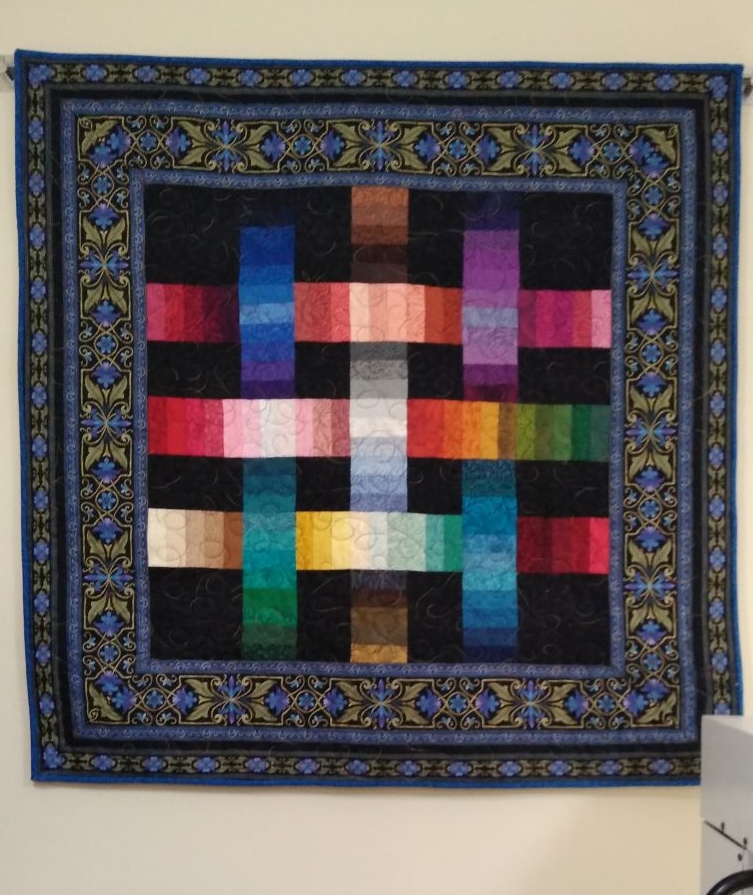
#1
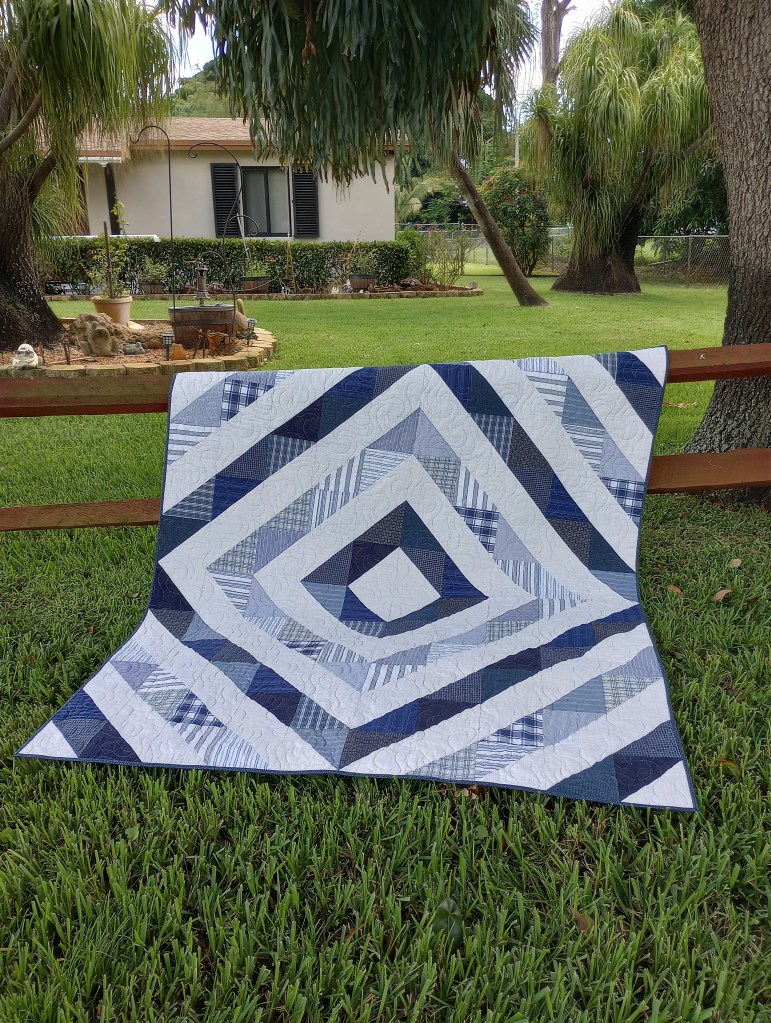
#2
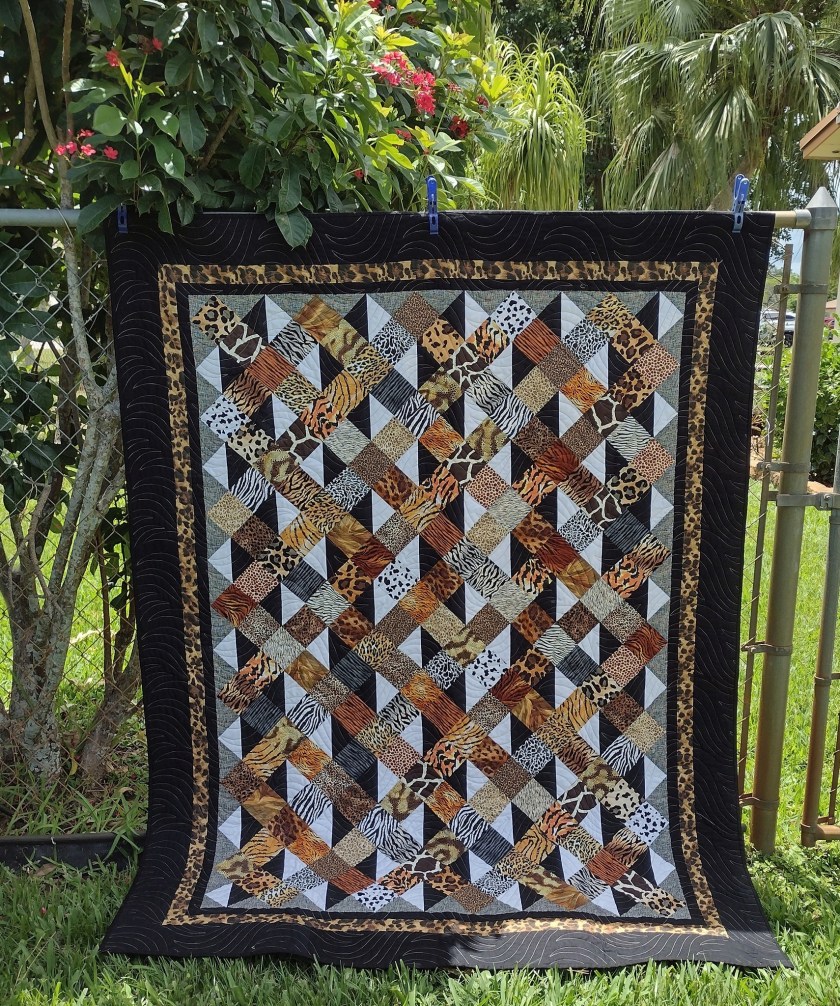
#3
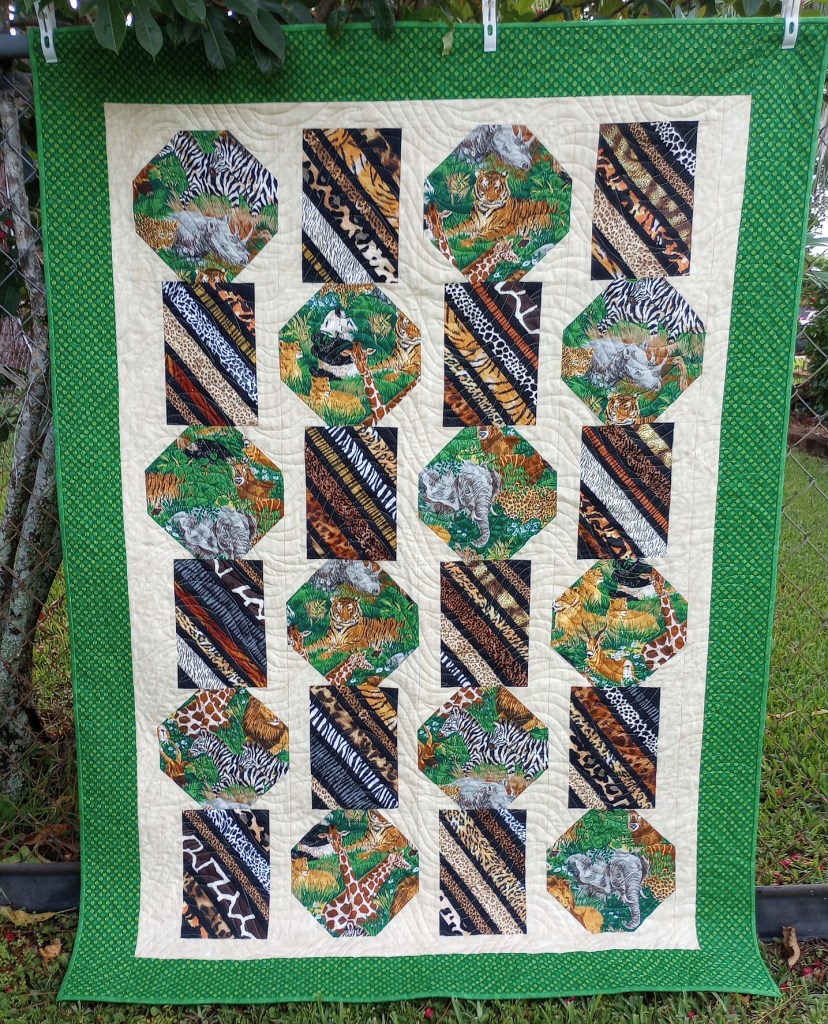
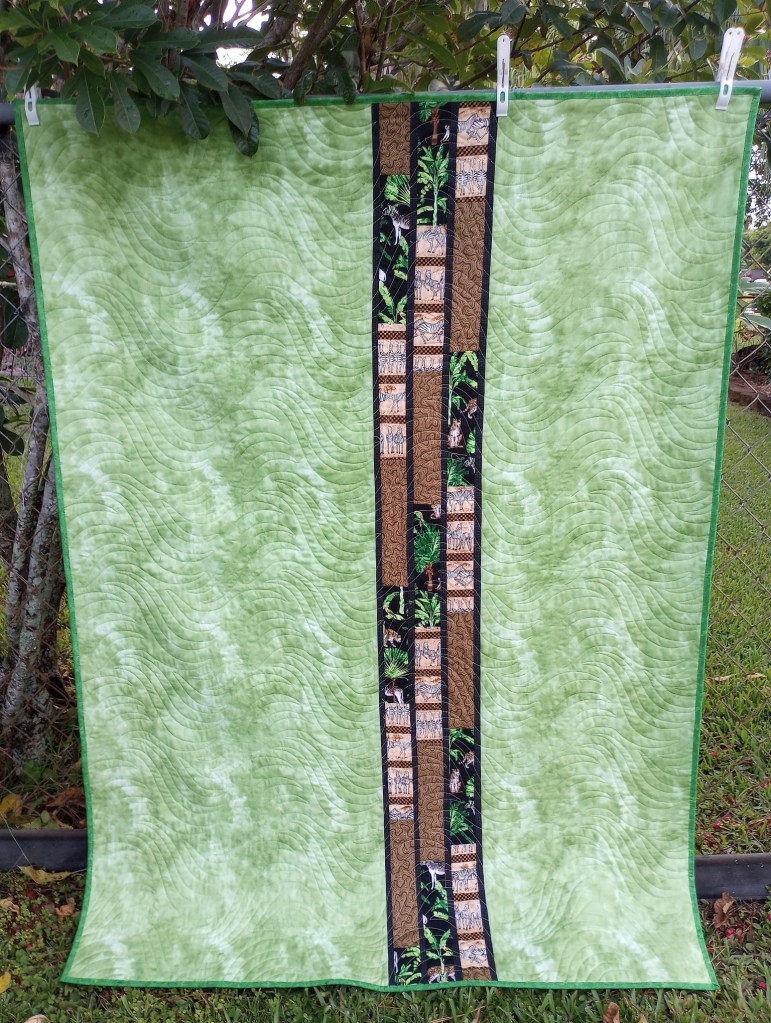
#4
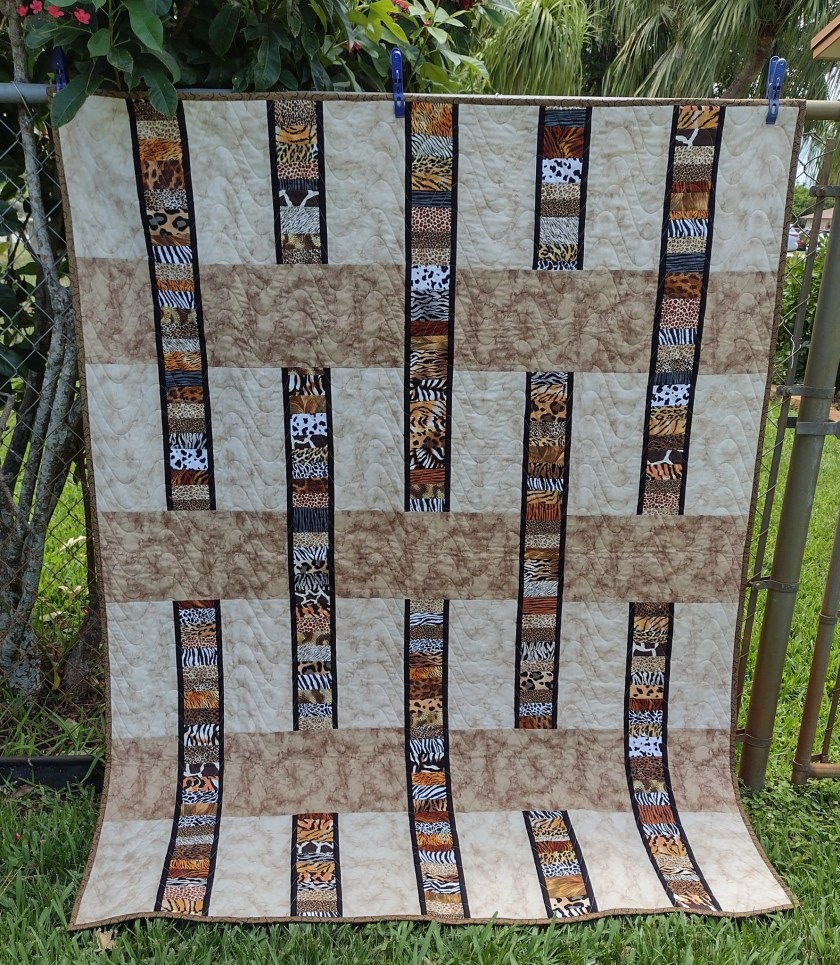
#5
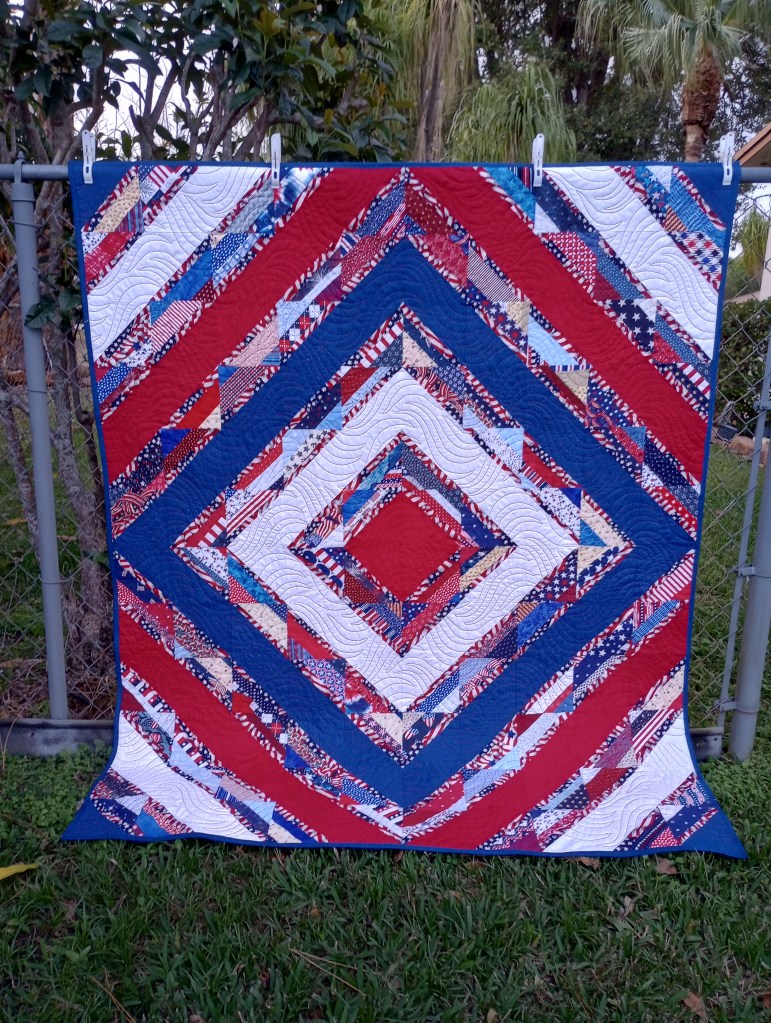
#6
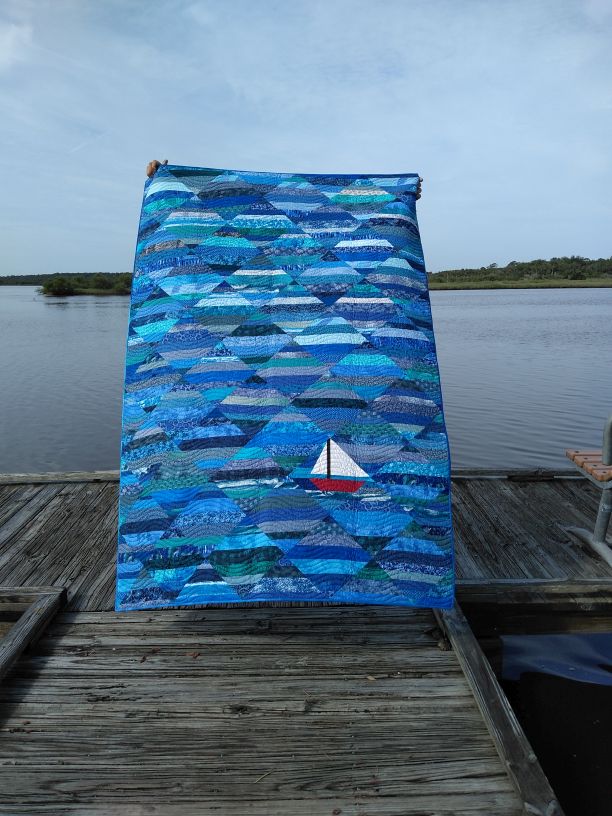
#7
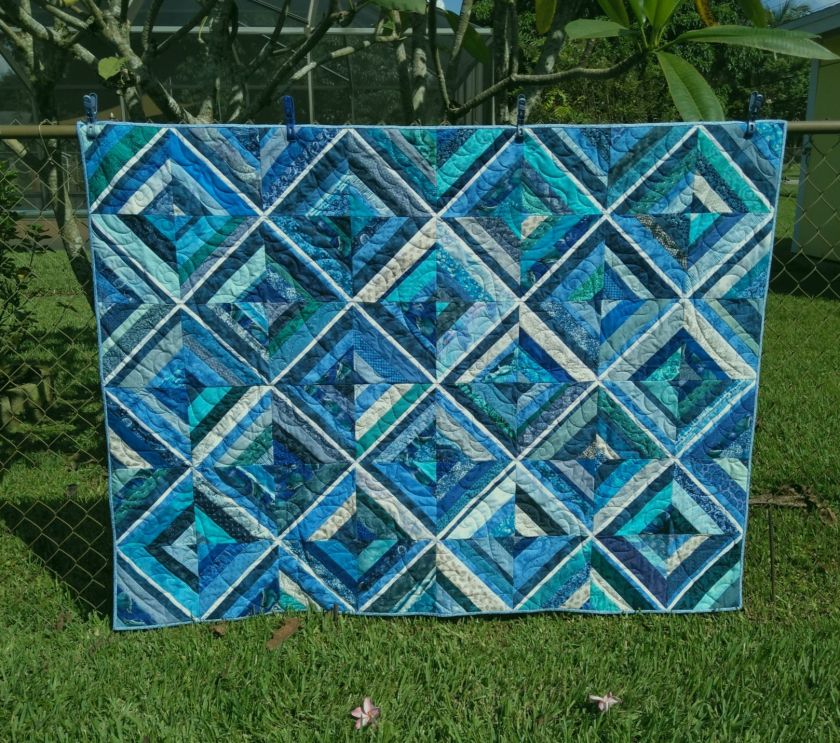
#8
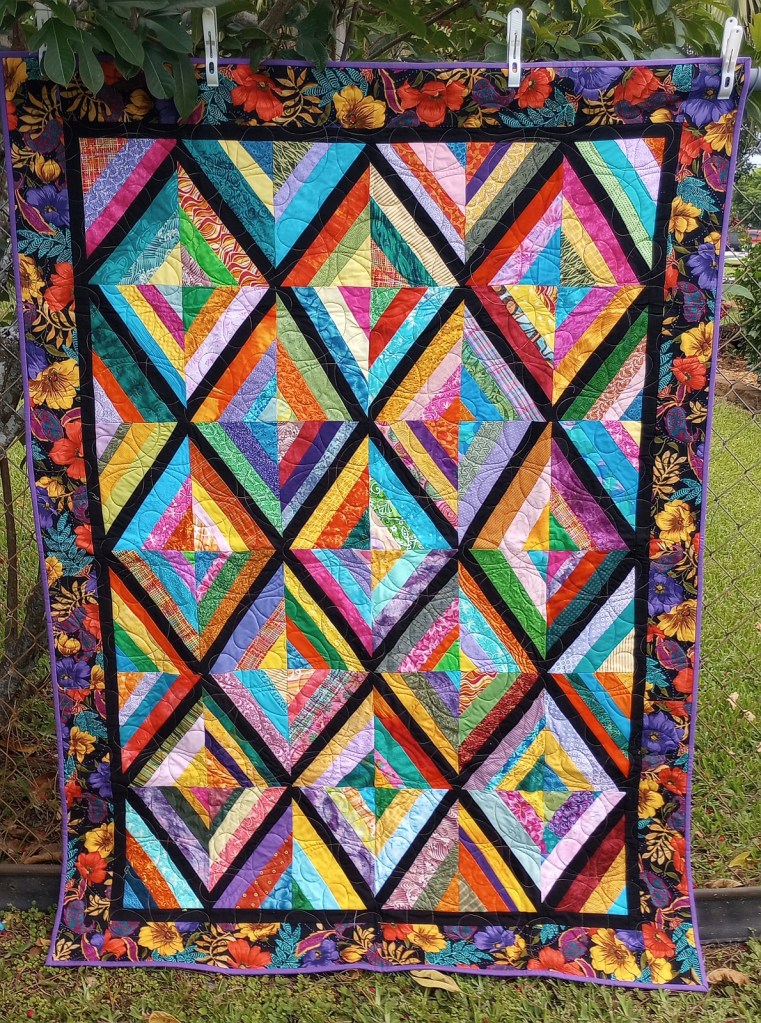
#9
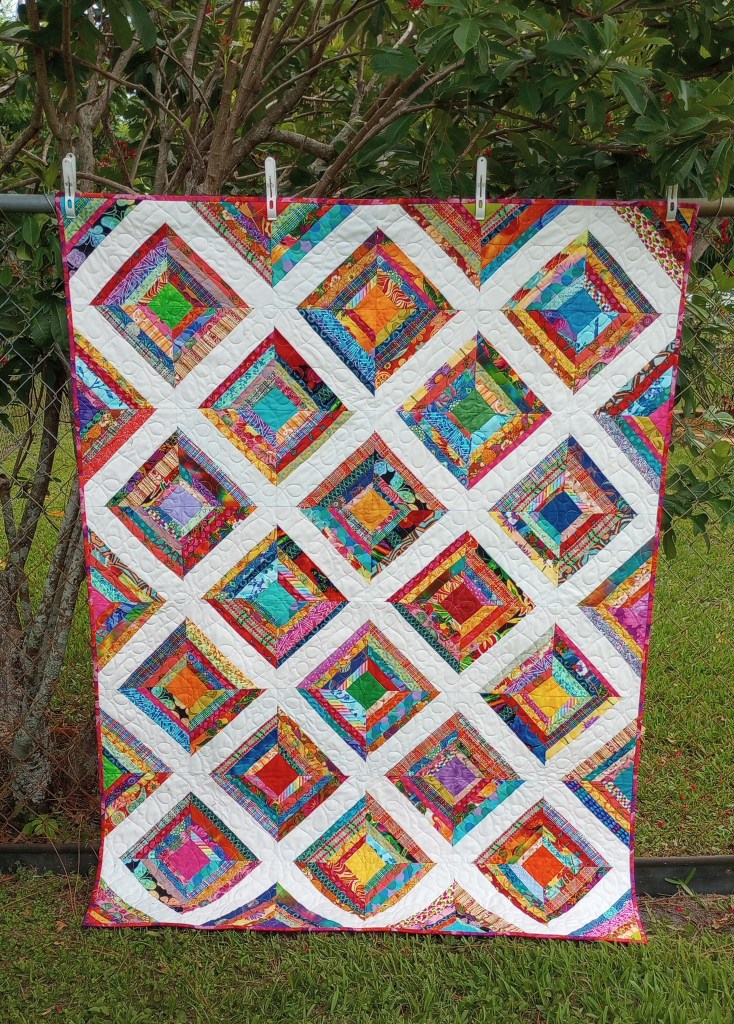
#10
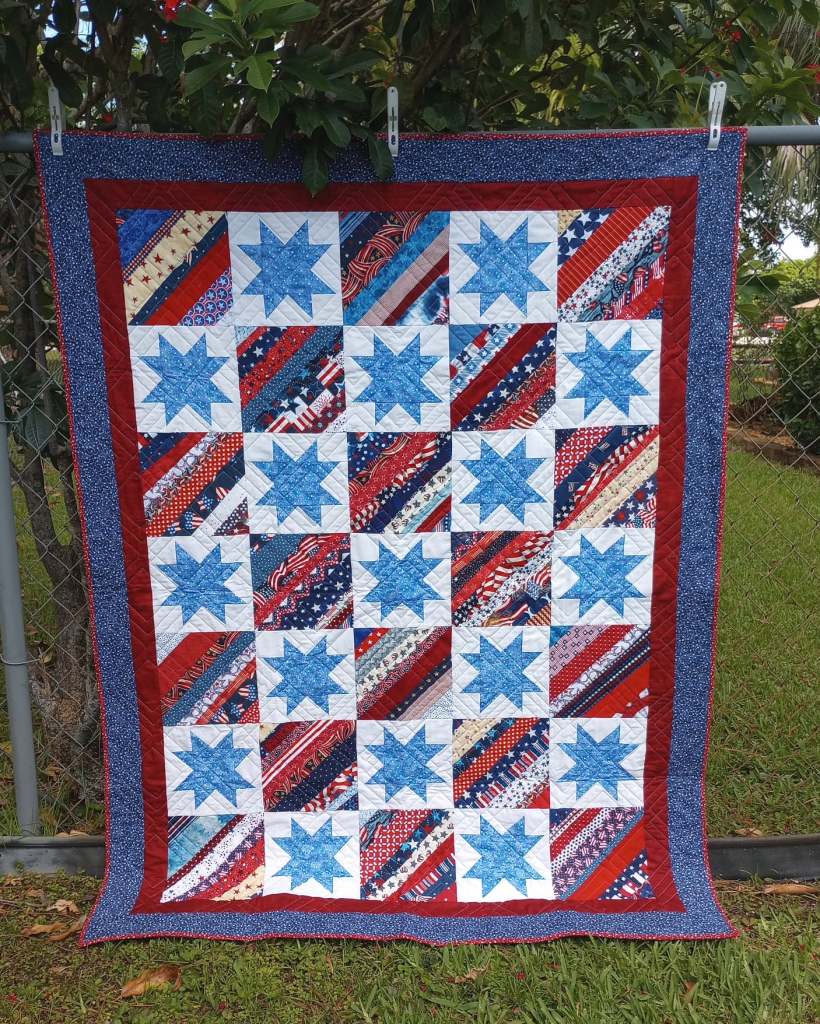
#11
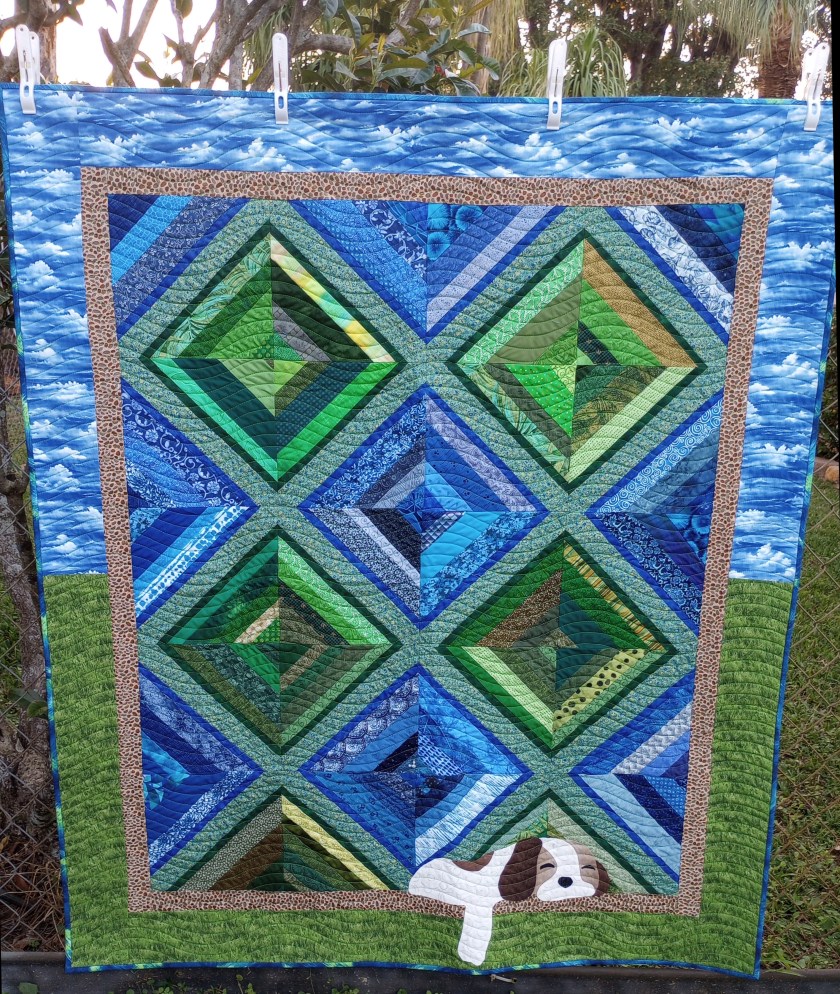
#12

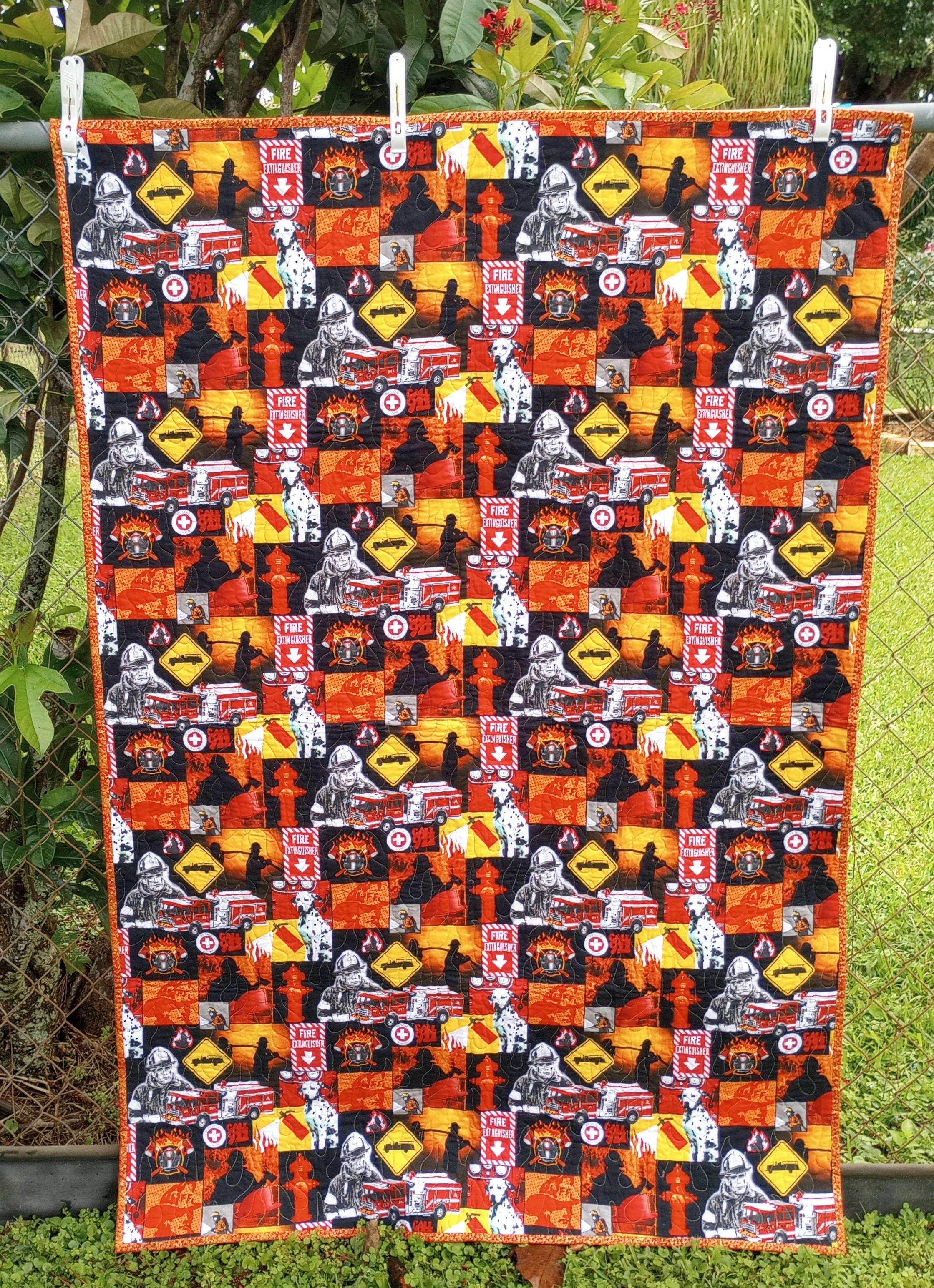
#13
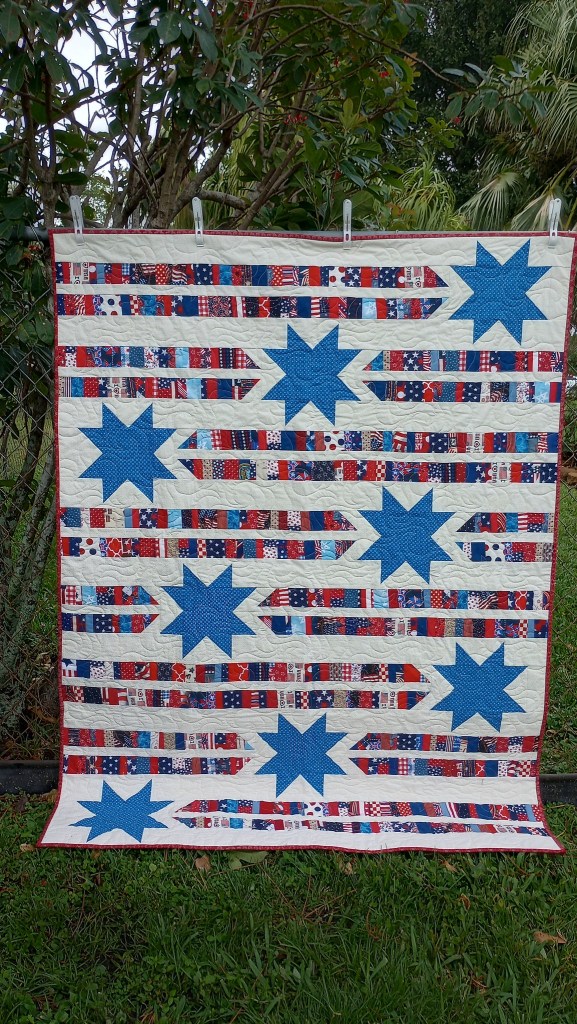
#14
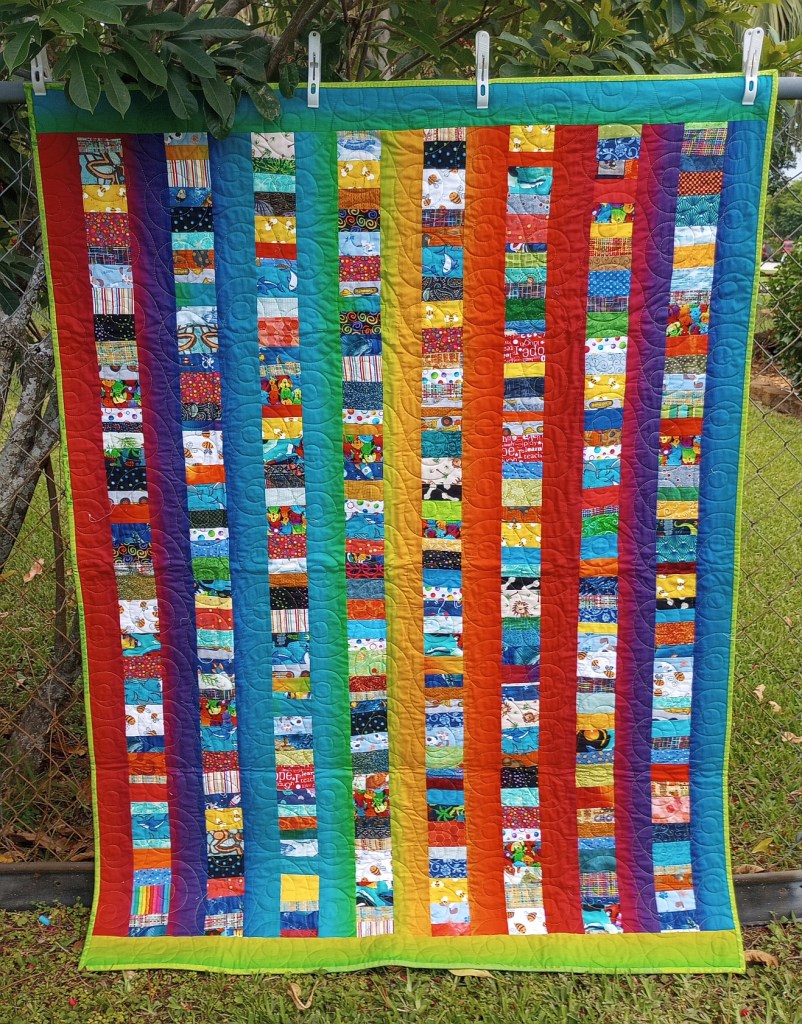
#15
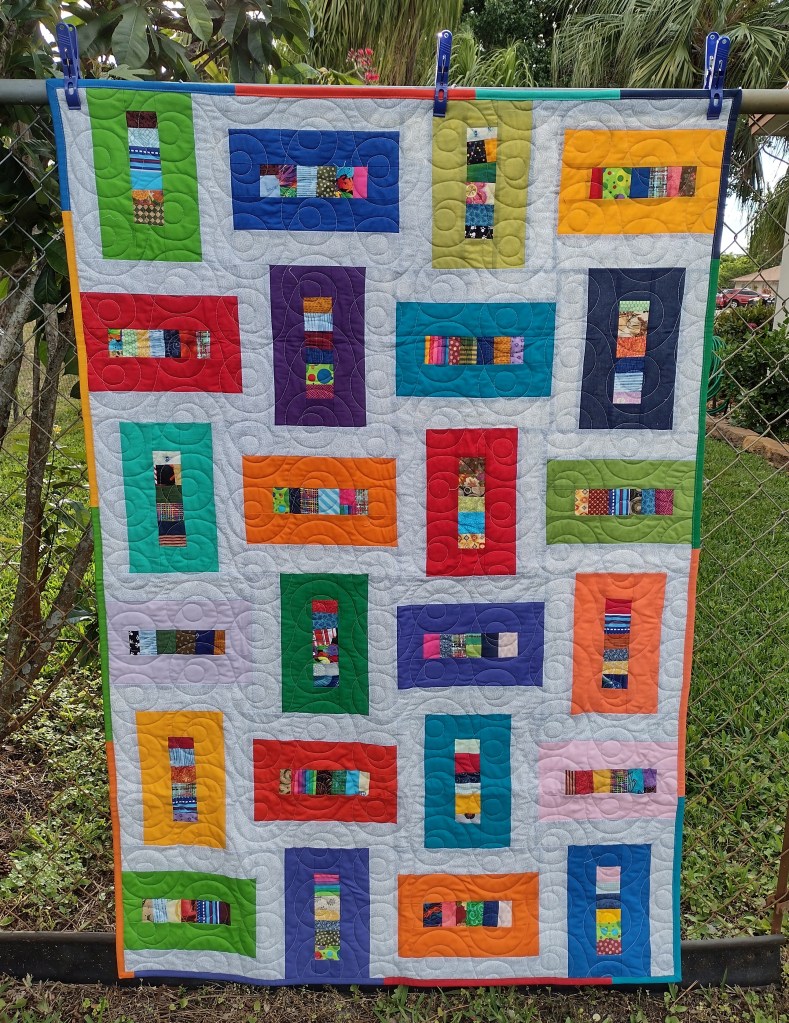
#16
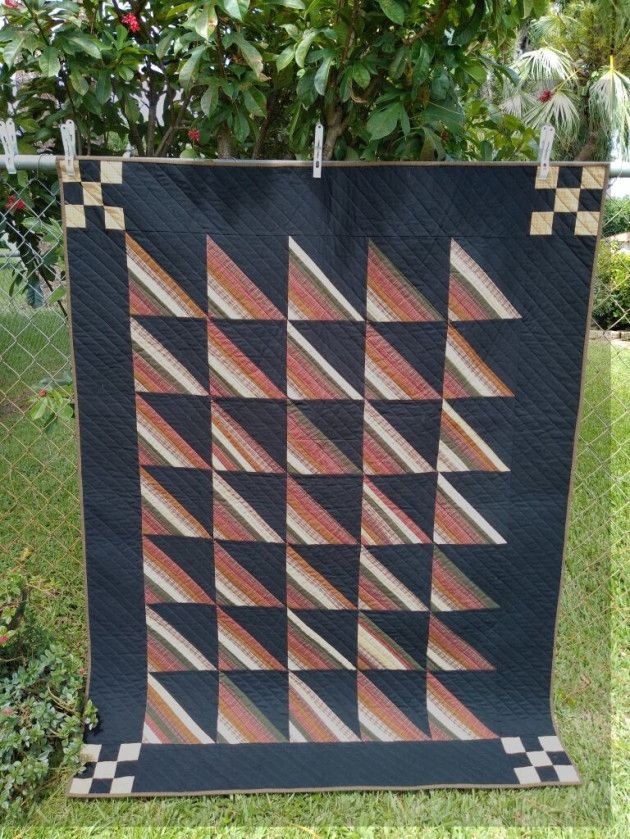
#17
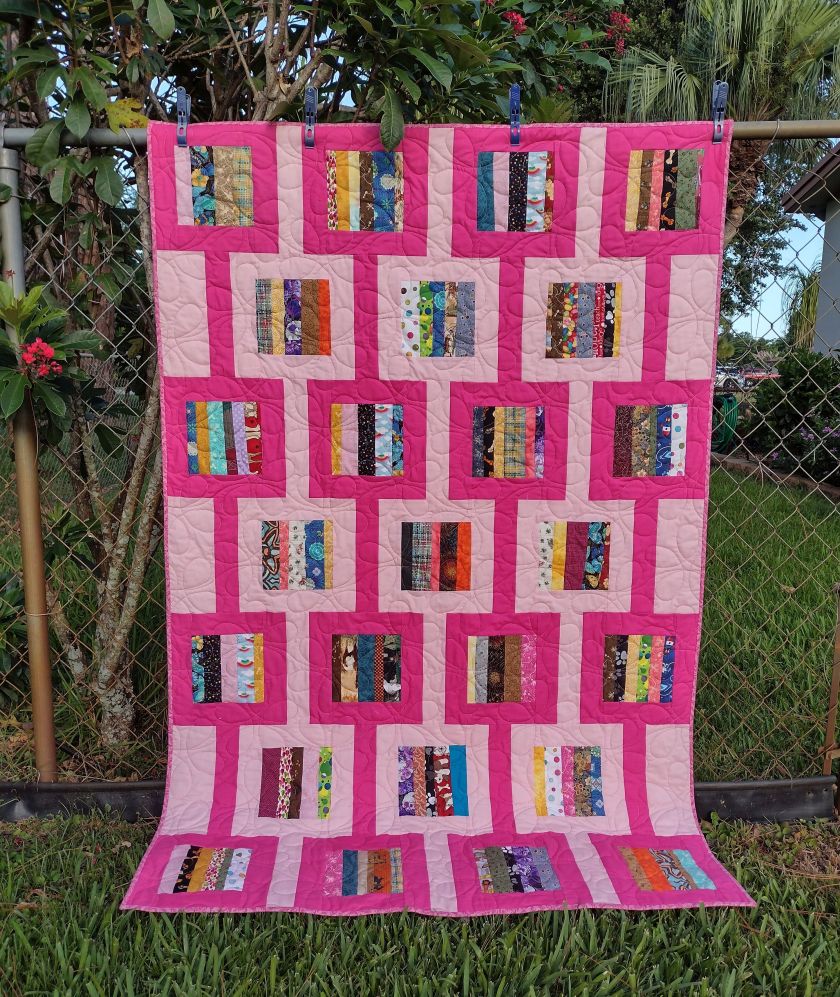
#18
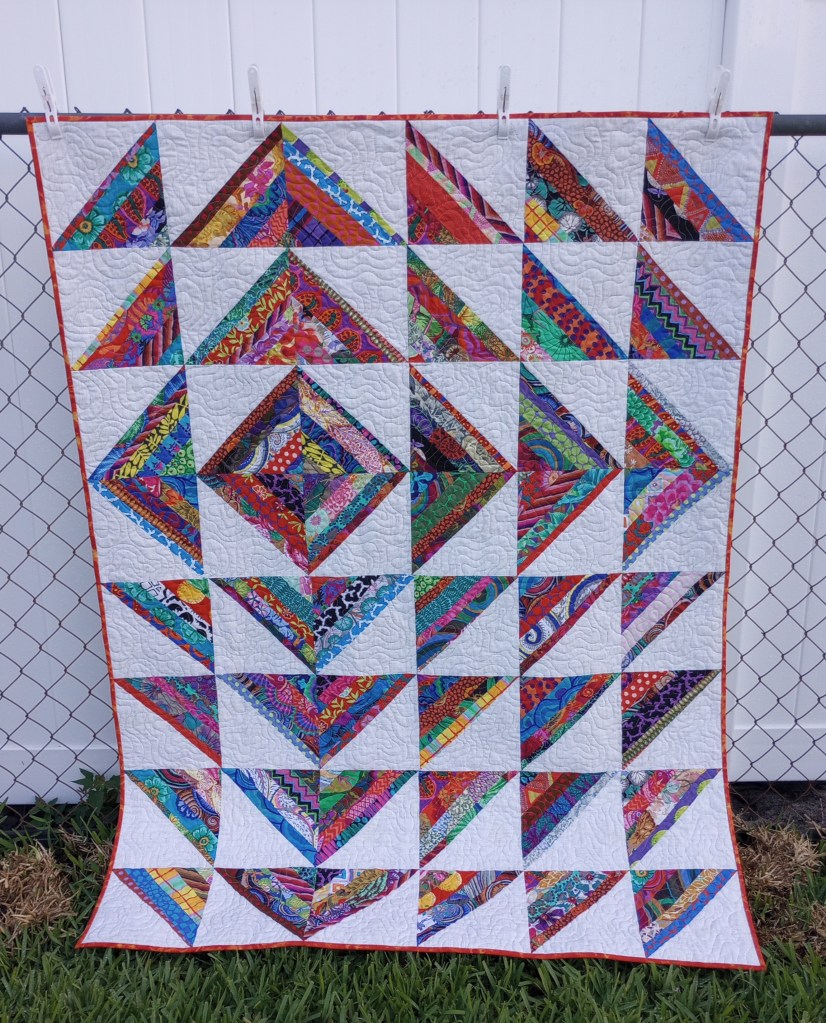
#19
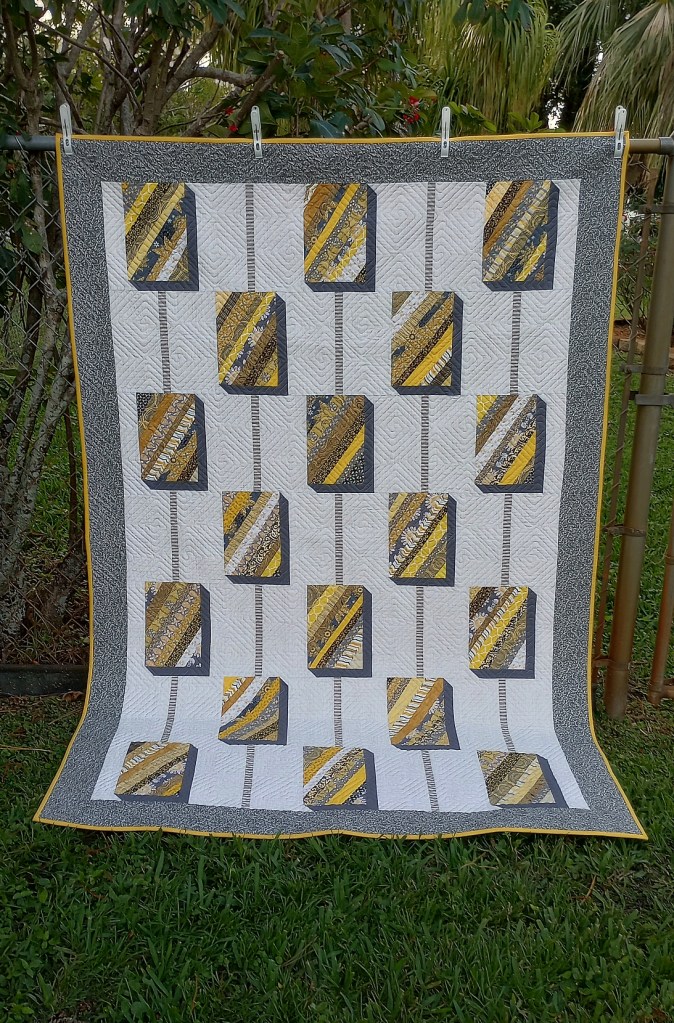
#20
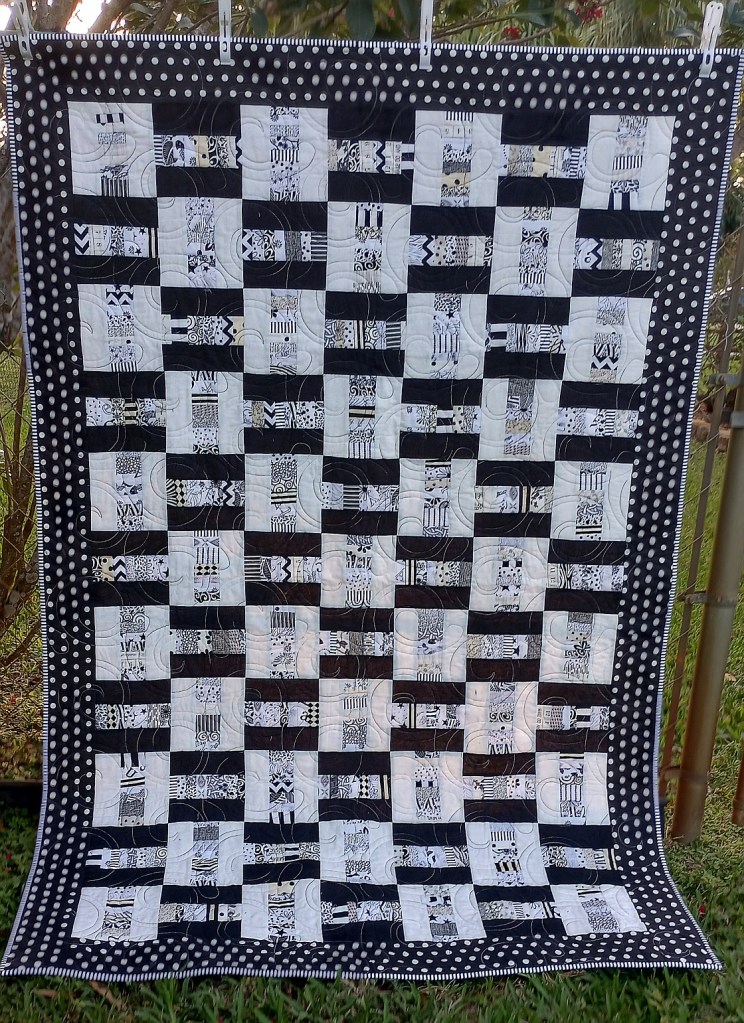
#21
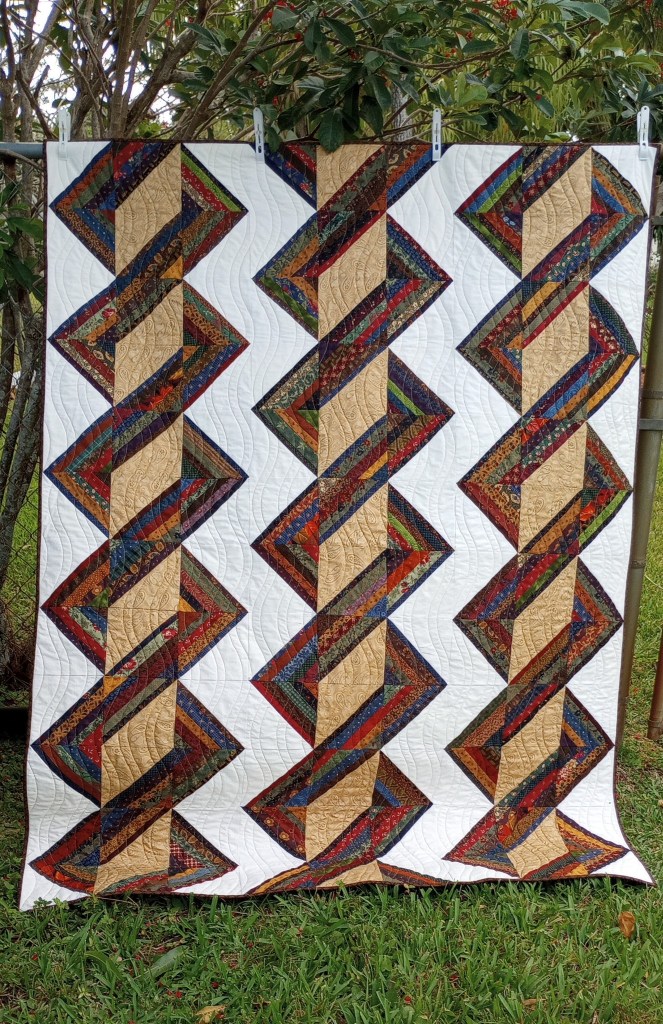
#22
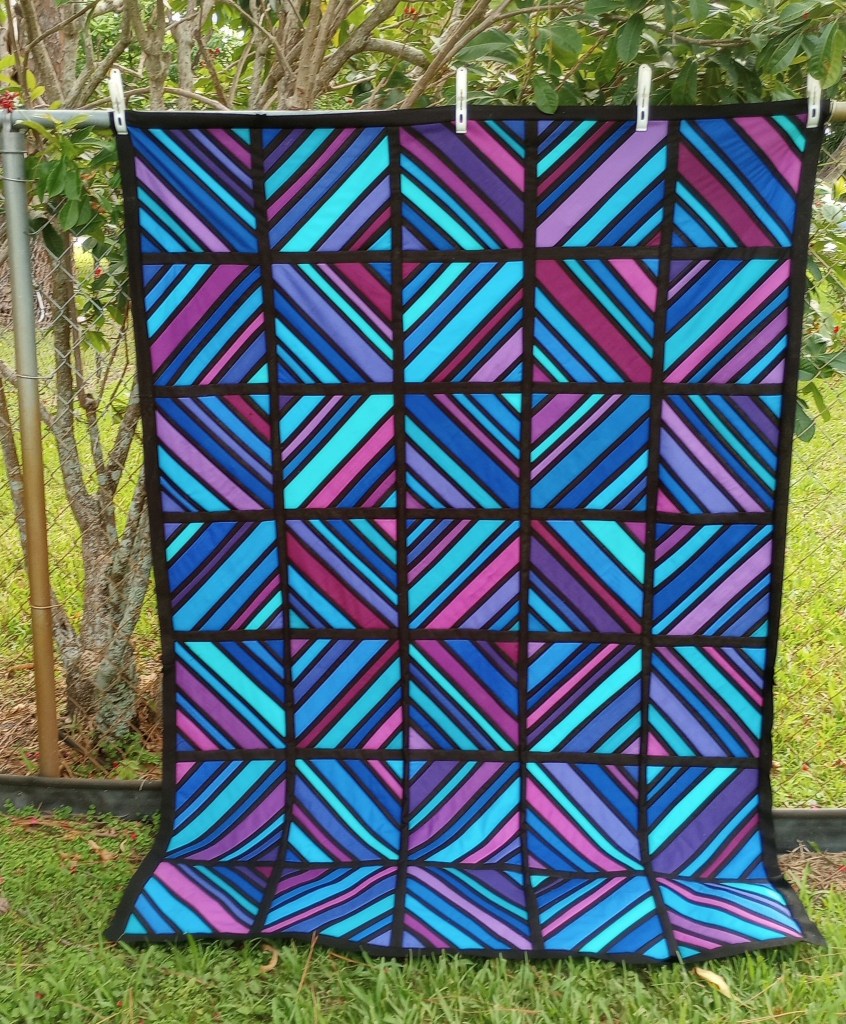
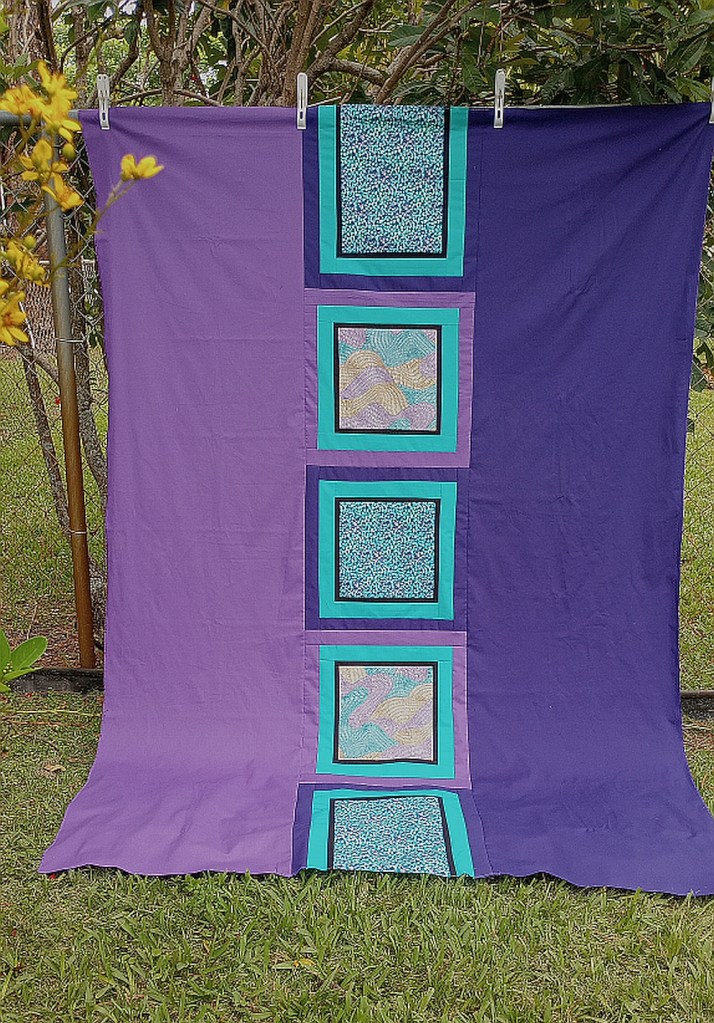
#23
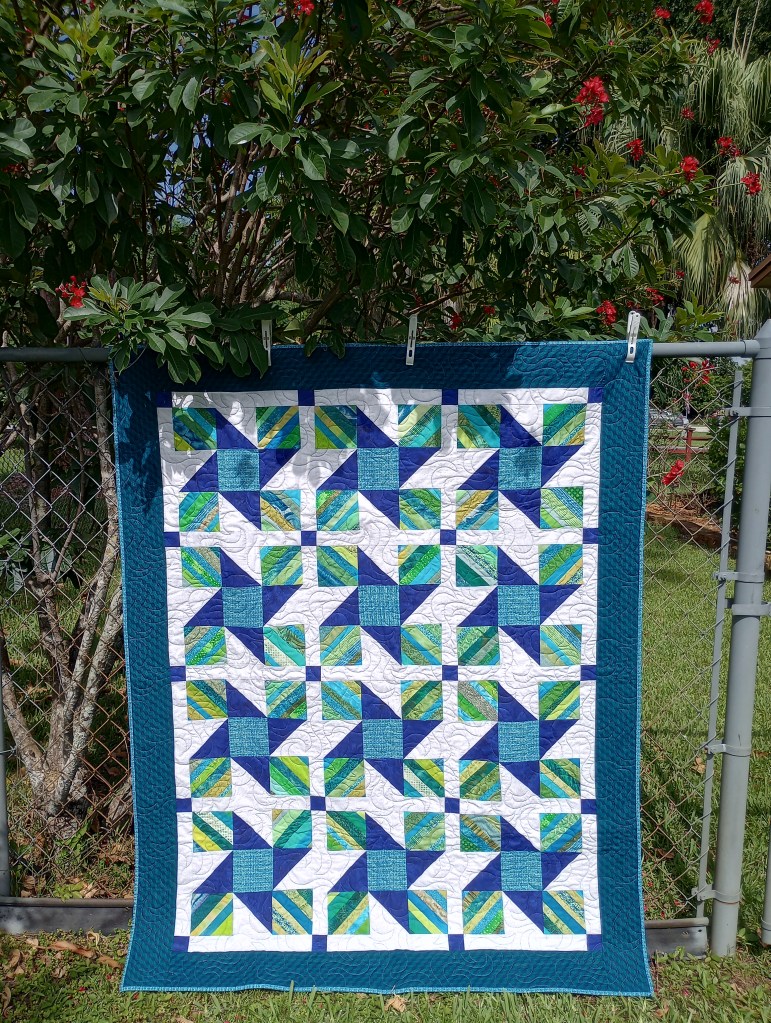
#24

#25
I mentioned making 3 Trip Around the World quilts with different settings made with identical strip strata. Here are the quilts that generated the scraps for quilt #3 and string quilts # 4 and #5.
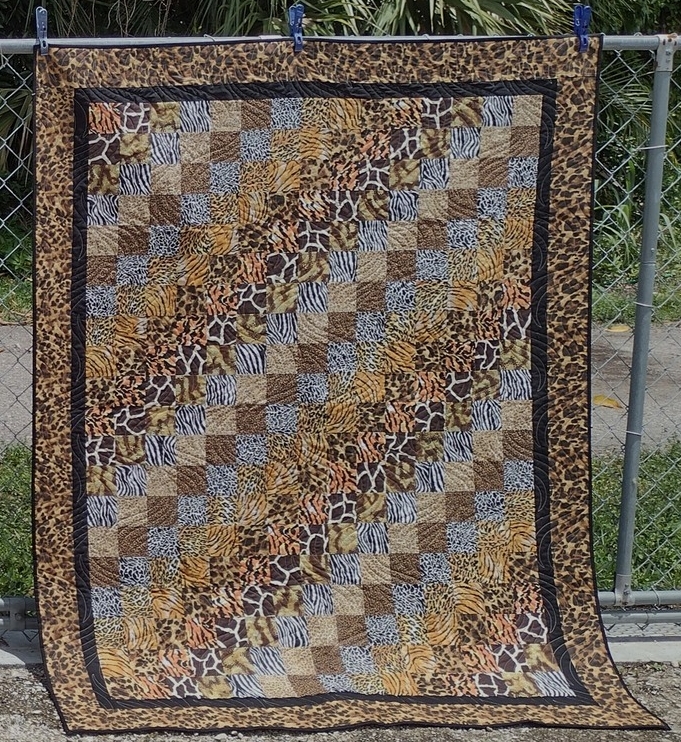
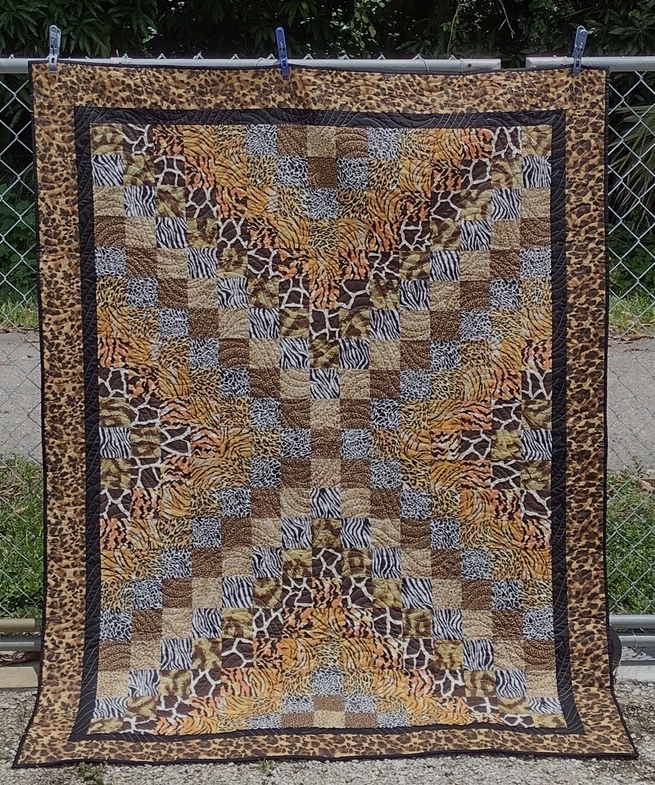

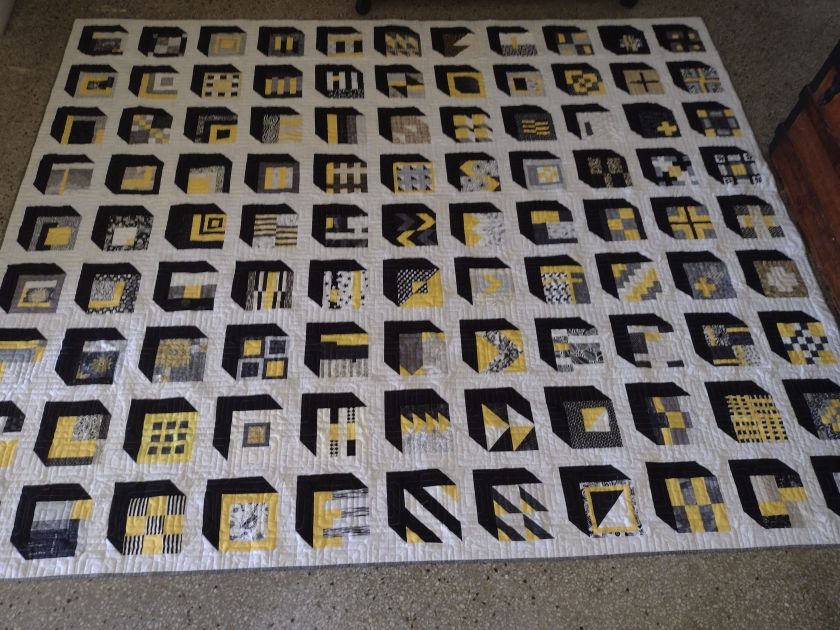
This is the quilt from the 100 Modern Quilt Blocks program that generated the strings for quilts #20 and #21 and also this third large string quilt that I didn’t take with me to show.
And, now for some personal thoughts about our quilt guild…
There aren’t enough words to express the appreciation and respect I have for all the current and previous members who’ve poured their heart and soul into this guild. The best way to honor their hard work is not by doing things the same way they’ve always been done, it’s by doing the best we can to ensure there’s a future.
If you’re concerned about the declining membership in quilt guilds, you’re not alone. A guild nearby, which once had over 100 quilters on it’s waiting list, dissolved in 2023 after 38 years of success. This is happening while the cost of quilting is rising quickly. We start to wonder, “are quilt guilds at risk of extinction?”.
Living near the coast, we’ve all seen how much Florida’s environment has changed over time. One powerful example is the Florida Reef Tract, the only living barrier reef in the continental U.S. stretching over 350 miles from the Dry Tortugas in the Gulf of Mexico to the St. Lucie Inlet in Martin County. It was once a vibrant, thriving ecosystem that has struggled as ocean conditions have shifted.
Coral isn’t disappearing because it lacks beauty or value. It’s struggled because it’s unable to adapt quickly enough to a changing environment.
Quilt guilds face a similar challenge.
For decades, guilds have provided structure, community, and a shared love of quilting. But today’s world looks different. Many people have less time, different expectations, and more flexible ways to connect and create—via social media.
If guilds remain unchanged, they risk slowly losing relevance—not because they aren’t meaningful, but because they aren’t evolving.
On the bright side, quilters are used to doing hard things. If something doesn’t work the first time, we don’t give up! We take out our trusty seam ripper and we try again until we get it right. Sometimes we make adjustments along the way but we keep at it. We understand that there will always be the next challenge with a future quilt but we’ll face those when the time comes because we know the results will be worth it.
I am not the one who took notes at our table discussion on Saturday so I didn’t memorialize the comments. But, I came home feeling optimistic because I saw that the majority of members at our table, both old and new, were ready to embrace flexible participation, low-pressure fun groups, modern styles alongside traditional ones, and a welcoming, beginner-friendly environment that’s also the place experienced quilters look to for creative inspiration. We weren’t sure how to get there but it was clear that we wanted to try.
Unlike coral reefs, we have the ability to recognize the changing world around us and respond to it. Evolution isn’t about losing tradition—it’s about doing what’s necessary to grow and flourish. An enormous thank-you to Karen, our guild president, for her willingness to usher in a new era.

 Time to Quilt